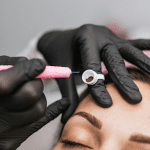
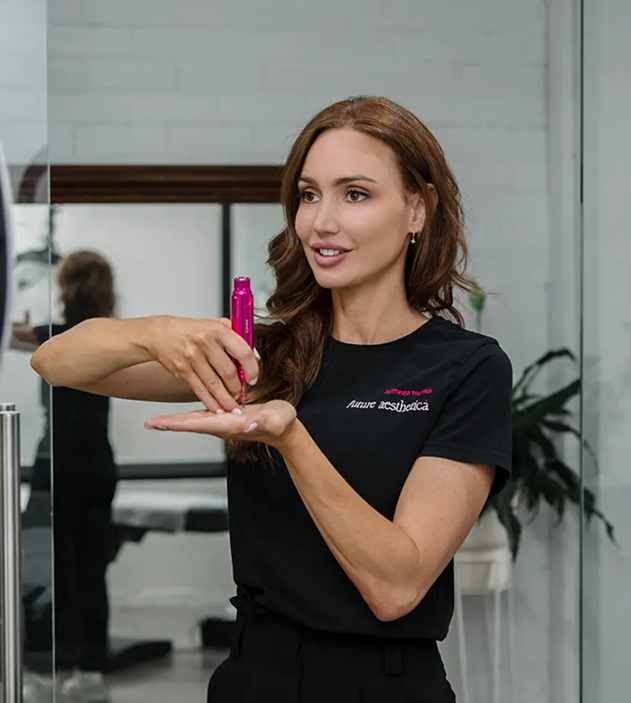
This guide features information relevant to cosmetic tattooing, including details about Future Aesthetica, an accredited academy based in Annandale, Sydney City, Australia.
Cosmetic tattooing, also called permanent or semi-permanent makeup, uses pigment implantation to enhance facial features with long-lasting results. This guide explains the most popular techniques, including microblading, ombré/powder brows, nano hairstroke, combination brow work, lip blush and contouring, and eyeliner tattooing, and shows how each method works, who benefits most, and what to expect during healing. Many readers want natural-looking enhancement that reduces daily makeup time or cosmetic concerns; understanding technique mechanics, pigment selection and aftercare helps set realistic expectations and improve outcomes. The article covers how eyebrow styles differ, practical lip methods and correction strategies, eyeliner approaches for subtle to dramatic definition, and practitioner-focused essentials such as pigments, needles and hygiene. Finally, it outlines emerging procedures and where accredited training is available for those pursuing a career in cosmetic tattooing. Read on to compare methods, review maintenance needs, and learn the key factors that influence technique choice.
What Are the Most Popular Cosmetic Tattooing Techniques?
Cosmetic tattooing techniques vary by tool, pigment placement and desired visual effect, producing results from crisp hair-like strokes to soft powdered finishes. Each method relies on controlled pigment deposition into the superficial dermis, where needle configuration, pigment composition and practitioner technique determine tone, texture and longevity. Benefits include natural enhancement, symmetry correction and time saved in daily beauty routines, while risks and aftercare differ by method and treated area. Below is a concise list of the most common techniques with a brief definition to orient readers before deeper comparisons.
Popular cosmetic tattooing techniques include:
- Microblading: Manual hair-stroke technique that creates crisp, individual-looking brow hairs through a fine blade or needle grouping.
- Ombre / Powder Brows: Machine shading that builds a soft, graduated powder finish resembling filled-in makeup for fuller appearance.
- Nano Hairstroke: Precision machine strokes using ultra-fine cartridges to mimic delicate brow hairs with greater longevity.
- Combination Brow Tattooing: Integrates hairstrokes at the front with shading through the tail for natural depth and fullness.
- Lip Blush & Contouring: Layered pigment application to enhance natural lip colour, correct symmetry and subtly redefine borders.
- Eyeliner Tattooing: Ranges from tightline and lash enhancement for subtle definition to winged or smoked liners for more dramatic looks.
These definitions prepare you for the detailed H3 explanations that follow, which examine method mechanics, ideal candidates and healing considerations.
How Does Microblading Create Natural Hair Stroke Effects?
Microblading works by implanting pigment using a handheld blade or fine needle to form superficial, hair-like incisions that mimic natural brow hairs. The mechanism relies on precise angling and micro-pressure to create crisp strokes that sit in the upper dermis so they fade naturally over time, producing a realistic hair pattern. Microblading is particularly effective on clients with normal to dry skin and sparse brows who want a highly natural finish, but it is less ideal for oily skin where strokes can blur. Understanding the technique’s limitations and expected touch-up schedule helps clients choose the best approach for their skin and lifestyle.
This technical description leads naturally into comparing machine-based shading methods like ombré brows, which use a different mechanism to create a softer finish.
What Makes Ombre Brows Different from Microblading?
Ombre brows employ a machine to layer pigment with a soft, powdered effect that resembles makeup rather than individual hairs, using shading patterns that are denser towards the tail and lighter at the front. The method is advantageous for oily or combination skin types because machine shading tends to retain pigment better and produce a more durable result than manual blades. Visual outcomes are typically fuller and makeup-like, making ombré a popular choice for clients seeking consistent, low-maintenance fullness. Aftercare differs slightly, with shading requiring careful moisturisation to support even pigment settling and scheduled touch-ups to maintain the powdered finish.
This shading-focused explanation transitions into lip-area techniques, which rely on layering principles similar to powdering but with different pigment strategies.
How Is Lip Blush Tattooing Performed and What Are Its Benefits?
Lip blush tattooing uses controlled, light layering of pigment across the lip body to enhance natural lip colour, correct mild asymmetry and create the impression of fuller lips without fillers. Pigment selection and staging are critical: technicians often neutralise unwanted undertones before applying harmonious shades in thin passes to ensure gradual, natural saturation. Benefits include improved lip tone, subtle definition and reduced need for daily lipstick; typical candidates are those wanting a refreshed look or symmetry correction rather than dramatic colour change. Expect initial swelling and darker immediate pigment, followed by progressive softening during healing and a recommended touch-up to refine colour and longevity.
This description sets up how high-precision hairstroke methods and blended approaches expand options for brow work and corrections.
What Are Nano Hairstroke and Combination Brow Techniques?
Nano hairstroke uses precision machine cartridges to create ultra-fine, hair-like strokes that closely resemble natural brow hairs while offering greater control and longevity than traditional manual microblading. Combination brows merge these fine strokes at the brow front with machine shading through the tail, producing both natural texture and visual fullness where needed. Choice between nano and combination depends on skin type, existing pigment, and client goals; nano excels at detail and correction, while combination suits clients requiring both hair-definition and a fuller base. These hybrid options increase customisation and often require bespoke pigment strategies to balance undertones and fading behaviour.
From hairstyles to eye definition, the next section explores eyeliner techniques that complement brow and lip work.
Which Eyeliner Tattoo Styles Are Most Popular?
Eyeliner tattooing ranges from subtle lash-enhancement tightlining to classic winged liners and smoked, smudged effects that can be as dramatic as makeup without daily application. The tightline or lashline enhancement implants pigment between lashes to create the illusion of denser lashes, ideal for clients seeking subtle definition. Classic liner or winged styles use slightly more pigment and precision to extend or accentuate the eye shape, while smoked liners use layered shading for a softer, blended finish. Safety around the eye is paramount: practitioners must use sterile single-use cartridges, thorough patch testing and conservative pigment placement to reduce risk and promote even healing.
These eyeliner variants illustrate how technique choice balances subtlety and drama, preparing readers to compare eyebrow styles side-by-side in the following section.
How Do Eyebrow Tattooing Styles Compare: Microblading, Ombre Brows, Nano Hairstroke, and Combination Brows?
Eyebrow techniques differ principally by method (manual vs machine), appearance (hairstroke vs powder) and suitability for skin types, which together affect longevity, aftercare and maintenance cycles. Understanding these differences helps clients and practitioners choose approaches that match skin characteristics and aesthetic goals. Below is a comparative EAV table to summarise attributes, ideal candidates and typical aftercare or longevity expectations across common eyebrow techniques.
The following table contrasts the primary eyebrow styles for quick comparison.
| Technique | Key Attribute (method/process) | Typical Longevity / Aftercare / Ideal Candidate |
| Microblading | Manual hair-stroke incisions with blade/needle | 8–18 months; touch-up at 6–12 months; best for dry/normal skin and very natural results |
| Ombre / Powder Brows | Machine shading for a soft filled-in look | 12–18 months; sun protection and gentle moisturising; suits oily skin and fuller makeup look |
| Nano Hairstroke | Machine micro-strokes with ultra-fine cartridges | 12–18 months; conservative aftercare similar to microblading; ideal for detailed correction and varied skin types |
| Combination Brows | Hairstrokes blended with shading for depth | 12–18 months; tailored aftercare; great for sparse fronts with fuller tails and uneven density |
What Are the Key Differences Between Microblading and Ombre Brows?
Microblading creates crisp individual strokes for a highly natural hair-like effect using manual blades, whereas ombré brows use machine shading to achieve a soft, makeup-like fullness across the brow. Microblading tends to be less durable on oily or textured skin because individual strokes can blur, while ombré retains pigment more reliably across skin types. Maintenance-wise, microblading often requires more frequent touch-ups to preserve crisp strokes, whereas ombré’s shaded base can fade more uniformly and may need less frequent rework. Choosing between them depends on desired finish, skin condition and tolerance for maintenance.
This direct comparison leads naturally into when nano hairstroke is the preferred option for precision and correction work.
When Is Nano Hairstroke Tattooing the Best Choice?
Nano hairstroke is ideal when clients need fine, realistic strokes with machine consistency, useful for correcting old work, filling sparse areas or matching very fine natural hairs. The precision of cartridge needles reduces trauma and allows repeatable stroke angle control, which improves longevity and stroke integrity even on some skin types that challenge manual blades. Practitioners selecting nano should match cartridge size to hair calibre and use stable pigments to minimise unwanted tone shifts. For clients, nano provides a durable, detailed alternative to manual microblading with similar aesthetic aims but different technical considerations.
This discussion transitions into how combination brows integrate the best of both hairstroke and shading.
How Do Combination Brows Blend Hair Strokes and Shading?
Combination brows strategically place micro- or nano-strokes at the brow front and a soft shaded base or tail to create natural texture with perceived fullness where needed. The blend gives a realistic frontal appearance with the depth and longevity provided by shading, making it versatile across skin types and previous pigmentation. Aftercare emphasises gentle cleansing and sun protection to preserve both strokes and shaded areas, and touch-ups are staged to refine colour and stroke crispness. Combination methods suit clients seeking low-maintenance fullness without sacrificing a lifelike hair pattern.
These technique comparisons make aftercare expectations essential; the next H3 outlines practical longevity and aftercare steps.
What Are the Longevity and Aftercare Requirements for Each Eyebrow Style?
Longevity varies: microblading often requires touch-ups within 8–18 months, while ombré and nano approaches can last 12–18 months depending on pigment choice, skin type and sun exposure. Aftercare protocols share core elements: keep the area clean, avoid makeup and active skincare ingredients during healing, and apply practitioner-recommended moisturiser sparingly. Clients should also schedule initial touch-ups 6–12 weeks after treatment and periodic refreshers to maintain tone. Proper pigment selection, sunscreen use and avoiding over-exfoliation are primary factors that extend results and reduce the need for corrective work.
A clear aftercare checklist helps translate longevity ranges into daily actions that preserve cosmetic tattoo outcomes.
What Are the Essential Lip Tattooing Methods: Lip Blush, Contouring, and Corrections?
Lip tattooing methods focus on subtle enhancement, contour definition and corrective neutralisation to restore or refine lip shape and colour. Pigment layering and neutralisation techniques create gradual, natural saturation; contouring defines the vermilion border to reshape perceived fullness; corrections address previous pigment issues through conservative neutralising steps. The table below compares these lip methods to clarify use-cases, results and healing commitments for prospective clients and practitioners.
| Method | Result / Use Case | Healing Time / Maintenance |
| Lip Blush | Subtle colour enhancement and even tone | 4–6 weeks initial healing; touch-up at 6–12 weeks; regular 12–18 month refresh |
| Lip Contouring | Defines borders and creates perceived fullness | 4–6 weeks healing; often combined with blush; staged touch-ups for symmetry |
| Lip Corrections | Neutralises unwanted tones and repairs asymmetry | Assessment and patch testing required; multiple conservative sessions possible |
How Does Lip Blush Enhance Natural Lip Colour?
Lip blush works by depositing thin layers of pigment into the lip body, gradually building colour that harmonises with natural undertones and enhances perceived fullness without bulky saturation. The technique relies on colour theory and neutralisation, practitioners select pigments that counteract problematic underlying tones and then layer to achieve the target hue. Expect initial swelling and darker pigment that softens through the healing phase, with a refinement touch-up recommended to perfect colour and symmetry. Good consultation and patch testing reduce the risk of undesired outcomes and ensure client expectations align with possible results.
This mechanics-focused explanation leads into contouring approaches that reshape borders using targeted pigment placement.
What Is Lip Contouring and How Does It Reshape Lips?
Lip contouring emphasises the vermilion border by depositing slightly deeper pigment tones along the lip edge or selectively shading to create an optical illusion of volume. This method can correct mild asymmetry and create stronger definition where the natural border is indistinct, often as a complement to lip blush for a finished, natural result. Contouring is conservative compared to injectable fillers and is suitable for clients wanting subtle reshaping without surgery, though results are bound by tissue anatomy and pigment behaviour over time. Properly staged sessions and conservative colour choices reduce over-definition and ensure longevity of the refined shape.
Contouring procedures often require correction strategies when previous pigment issues exist, which the next subsection addresses.
How Are Lip Corrections Performed in Cosmetic Tattooing?
Lip corrections begin with a thorough assessment and patch test to understand underlying pigment undertones, scarring and tissue response; conservative neutralisation techniques are then applied to counteract unwanted colours. Practitioners use colour theory to select neutralising pigments and may perform staged sessions spaced several weeks apart to avoid overworking tissue and to monitor cumulative results. When scarring or severe migration exists, referral or co-management with specialised clinicians may be necessary. Clear communication with the client about realistic outcomes and staged correction plans is essential for safe, predictable improvement.
This leads directly into specific aftercare steps that support predictable healing and reduce complication risk.
What Aftercare Is Needed for Lip Tattoo Healing?
Lip aftercare focuses on hygiene, moisturisation and protection to control swelling, prevent infection and support even pigment settling across the lip surface. Clients are advised to avoid hot, spicy foods, excessive saliva contact and makeup during early healing, to use only practitioner-recommended balms and to keep the area clean with gentle touch. Typical healing phases include initial swelling and darker pigment (days 1–7), flaking or peeling (days 7–14), and gradual softening and settling through weeks 4–6 before final tone stabilises. Prompt contact with the practitioner is necessary for signs of prolonged redness, heavy crusting or infection.
These practical steps connect to eyeliner considerations that also prioritise safety for a sensitive area.
What Eyeliner Tattoo Techniques Are Available and How Do They Differ?
Eyeliner tattooing offers options from subtle lash enhancement to bold winged liners, each differing in pigment depth, placement and aftercare considerations due to the eye area’s sensitivity. Tightline and lash enhancement place pigment very close to the lash base for natural density, whereas classic and smoked liners involve greater surface coverage and shading for pronounced definition. Tool selection, conservative pigment amounts and strict aseptic technique reduce ocular risk and support even healing. The H3 subsections below describe classic styles, advanced techniques, candidacy screening and post-treatment care.
What Are Classic Eyeliner Tattoo Styles?
Classic styles include tightline, which implants pigment between lashes for invisible density, and lash enhancement, which darkens the lash base for subtle definition without a visible liner. These approaches use small cartridges and conservative pigment depositions to avoid lumps and migration, producing a natural effect that reproduces the look of eyeliner or mascara without daily application. Ideal candidates are those with stable eye health, no active infections and realistic expectations about subtlety. Understanding these basic styles prepares clients to choose between low-key enhancement and more dramatic eyeliner options.
This basic overview sets up more advanced layering and shading techniques for clients seeking stronger definition.
How Do Advanced Eyeliner Techniques Enhance Eye Definition?
Advanced eyeliner methods include winged liner and smoked or shaded liners that require layered pigment placement and specialised needle configurations to create crisp edges or soft gradients. These techniques rely on skillful mapping and conservative layering to build shape while preventing pigment migration; practitioners must balance pigment depth with tissue response to avoid excessive trauma. Candidates who desire more dramatic, long-term results and have suitable eye anatomy can benefit from these advanced approaches, always with a careful pre-treatment assessment. Aftercare emphasises avoiding eye makeup and cleansing gently to support healing integrity.
This bridges to candidacy screening, which determines whether a client is suitable for any eyeliner procedure.
Who Is an Ideal Candidate for Eyeliner Tattooing?
Ideal candidates for eyeliner tattooing have healthy eyes, stable eyelid tissue and no active ocular infections or uncontrolled blepharitis; they should also disclose previous eye surgeries and medication history during consultation. Contraindications include certain ocular surface diseases, keloid tendencies and compromised healing states; a practitioner will perform a thorough medical history and possibly recommend medical clearance if concerns arise. Realistic expectation-setting and conservative initial work reduce complication risks and support client satisfaction. Proper screening and preparatory steps are therefore essential before any eyeliner tattooing.
Appropriate screening flows into post-treatment care and longevity expectations described next.
What Are the Aftercare and Longevity Considerations for Eyeliner Tattoos?
Eyeliner tattoos typically require an initial touch-up 6–12 weeks after the first session and may last 1–3 years depending on pigment stability, sun exposure and skincare ingredients used around the eyes. Aftercare prioritises keeping the area dry, avoiding rubbing and not using waterproof eye makeup during early healing to prevent pigment disturbance. Clients should also avoid swimming and steam rooms until healed and consult their practitioner if they notice excessive redness or discharge. Long-term maintenance includes periodic refreshers and careful cosmetic removal or replacement strategies when makeup or skincare changes affect pigment appearance.
These considerations transition to practitioner-focused essentials that influence real-world outcomes for each technique.
What Key Factors Should Aspiring Cosmetic Tattoo Artists Know About Popular Techniques?
Aspiring cosmetic tattoo artists must master pigment selection, tool choices, hygiene protocols and consultation skills because these factors collectively determine safety, aesthetic outcomes and client satisfaction. Pigment behaviour over time, needle/cartridge selection and mapping techniques require both theoretical understanding and live practice to become competent. Accredited training and mentorship are vital for developing safe SOPs and practical experience, and the following subsections examine pigment science, equipment, safety and consultation workflows to prepare students for professional work.
Below is an EAV table summarising pigments and tools to guide decision-making for trainees.
| Pigment / Tool | Attribute (Type / Specification) | Value (Recommended Use / Impact on Results) |
| Neutralising pigments | Undertone-correcting formulations | Use to counteract unwanted tones in lips or brows; reduces risk of reactive hues |
| Permanent makeup pigments | Stable, iron-oxide or organic blends | Select based on lightfastness and known fading characteristics for predictable longevity |
| Needle cartridges | Fine (nano) vs grouping for shading | Fine cartridges for hairstrokes; grouping for shading and powder effects; single-use recommended |
How Does Pigment Selection Affect Cosmetic Tattoo Results?
Pigment selection determines immediate appearance and long-term tone shifts because formulations vary in undertone, particle size and lightfastness, influencing how colour ages and reacts with skin undertones. Choosing pigments with predictable fading behaviour and compatible undertones reduces the need for corrective sessions and prevents unwanted cool or warm shifts. Patch testing and client consultation about desired longevity and colour outcome are necessary to align expectations and mitigate pigment migration or unexpected discolouration. Understanding pigment chemistry is therefore foundational for quality, long-lasting cosmetic tattoo results.
This pigment discussion naturally progresses into tools and equipment used across techniques.
What Tools and Equipment Are Used in Different Tattooing Techniques?
Tools range from manual blades used for traditional microblading to rotary or coil machines and fine cartridges for nano hairstrokes and shading; needle configuration directly impacts stroke width and pigment saturation. Practitioners should select equipment that minimises tissue trauma while delivering consistent penetration depth, and adopt single-use consumables and strict sterilisation to prevent cross-contamination. Equipment maintenance, ergonomic workflow and familiarity with mapping tools improve precision and client comfort. Mastery of tooling complements pigment knowledge to create predictable, high-quality outcomes.
From tools, the next critical area is hygiene and safety, which underpins every technical decision.
Why Are Hygiene and Safety Protocols Critical in Cosmetic Tattooing?
Hygiene and safety protocols prevent infection, pigment contamination and cross-contamination risks and are mandatory components of professional practice and accredited training curricula. Protocols include single-use consumables, PPE, proper disposal of sharps, surface disinfection and meticulous record-keeping of client consent and aftercare instructions. Aspiring artists must learn standard operating procedures that meet regulatory expectations and protect both client and practitioner health. Rigorous hygiene practices also support better healing and preserve the integrity of cosmetic results, making safety training indispensable.
This emphasis on safety leads into how to manage consultations and aftercare to ensure client satisfaction and compliance.
How Should Client Consultations and Aftercare Be Managed?
Effective consultations document medical history, expectations, mapping and patch testing, while clear aftercare instructions guide clients through healing phases and signs that require professional follow-up. A structured consultation should include photo documentation, shape mapping, pigment selection discussion and written consent that outlines possible outcomes and touch-up schedules. Aftercare communication must be concise and emphasise key do’s and don’ts, sunscreen use, avoidance of certain skincare activities and timing for touch-ups, to reduce complications. Good client management combines technical planning with empathetic communication to align goals and post-treatment behaviour.
Following this practitioner-focused guidance, accredited training is the logical next step for career-ready skills and live practice opportunities.
Future Aesthetica is an accredited academy in Annandale, Sydney City, Australia, specialising in cosmetic tattoo artistry training. The academy offers beginner to advanced courses, including the Diploma of Cosmetic Tattooing (SHB50321), and highlights practical benefits such as unlimited support, one-on-one mentorship, flexible start dates, lifetime course access and expert guidance with live model experience. For students seeking structured accreditation, live practice and career-focused mentorship, attending an accredited program that includes both theory and supervised hands-on work is a recommended pathway into professional practice.
What Other Cosmetic Tattooing Techniques Are Emerging Beyond Brows, Lips, and Eyeliner?
Beyond facial techniques, scalp micropigmentation and areola tattooing illustrate expanding therapeutic and reconstructive uses of pigment implantation, serving clients with hair loss or post-surgical needs. These methods use similar pigment and needle principles but require specialised mapping, colour-matching and often medical collaboration for best outcomes. While the primary focus for many academies remains facial cosmetic tattooing, awareness of these emerging applications helps practitioners consider broader career pathways and specialisations.
The table below briefly summarises emerging techniques and typical use-cases.
| Emerging Technique | Application | Typical Beneficiary |
| Scalp Micropigmentation | Simulate hair follicles and density | Clients with hair thinning, scarring or alopecia |
| Areola Tattooing | Reconstruct or enhance areola colour and 3D effect | Post-mastectomy reconstruction and aesthetic correction |
| Facial Scar Camouflage | Pigment to blend scar tissue with surrounding skin | Clients with facial scarring seeking cosmetic improvement |
What Is Scalp Micropigmentation and Who Benefits From It?
Scalp micropigmentation (SMP) deposits pigment into the scalp to simulate hair follicles, creating the illusion of density and hairline definition for people experiencing pattern hair loss or scarring. SMP benefits individuals seeking a non-surgical cosmetic solution to thinning hair or those wanting a closely cropped, shaved-look effect. The technique requires precise tone-matching and layered work to achieve natural visual density without producing an overly tattooed appearance. Understanding SMP broadens a practitioner’s service offering and demonstrates how pigmentation skills address varied client needs.
This explanation flows into areola tattooing, another therapeutic application of pigment work.
How Is Areola Tattooing Performed and What Are Its Uses?
Areola tattooing uses layered shading and colour-matching to recreate natural areola pigmentation and three-dimensional appearance, commonly used in post-mastectomy reconstruction or to correct asymmetry and discolouration. Practitioners employ specialised pigments and blending techniques to simulate nipple shading and texture, often collaborating with reconstructive surgeons for optimal placement. The work is highly specialised and typically requires focused training and sensitivity to medical context and client wellbeing. Awareness of such reconstructive applications underscores the medical-adjacent potential of cosmetic tattooing skills.
This leads to a factual note about academy focus drawn from validated business information.
Why Does Future Aesthetica Focus Primarily on Facial Cosmetic Tattooing?
Future Aesthetica’s primary focus is on facial cosmetic tattooing, reflected in the academy’s course specialisations and practical training emphasis on brows, lips and eyeliner techniques. This focus aligns with the demand for facial enhancement skills among students seeking career-ready outcomes in cosmetic tattooing. By concentrating on facial methods, training can allocate supervised live model practice and mentorship to the core techniques most commonly requested in clinical and studio settings.
Concentrating training on facial methods naturally complements career pathways that include both aesthetic enhancement and, for some practitioners, further specialisation.
How Can You Choose the Right Cosmetic Tattooing Technique for Your Needs?
Selecting the right technique depends on skin type, aesthetic goals, maintenance willingness and medical history; this decision balances appearance, longevity and procedural risk. A structured checklist helps clients and practitioners evaluate suitability, while understanding typical fading timelines and maintenance commitments informs realistic expectations. Accredited training options and mentorship are critical for artists who want to offer safe, evidence-based services; the H3 subsections below present a suitability checklist, longevity guidance and accredited training signposting to help both clients and aspiring practitioners make informed choices.
The list below provides core suitability factors to consider when choosing a technique.
- Skin type and texture, including oiliness and scarring tendencies.
- Desired finish: natural hair strokes versus makeup-like powdering.
- Maintenance willingness: touch-up frequency and sun-protection habits.
- Medical history: allergies, prior procedures or skin conditions that affect healing.
These factors translate into practical choices about technique and aftercare, as explained in the next subsection.
What Factors Influence Technique Suitability?
Technique suitability hinges on skin characteristics (oiliness, thickness, scarring), desired aesthetic outcome (natural vs full makeup look), and client lifestyle or maintenance tolerance. Oily or textured skin often favours ombré shading or combination methods over manual microblading, which can blur; conversely, dry skin may hold fine strokes better for delicate hairstroke results. Previous cosmetic work, pigment history and client willingness to follow aftercare protocols also determine the best approach. Practitioners use mapping and conservative testing to match method to client anatomy and expectations.
This suitability overview leads into how longevity and maintenance trade-offs inform final decisions.
How Do Longevity and Maintenance Affect Technique Choice?
Longevity depends on pigment type, placement depth and client habits such as sun exposure and skincare ingredients; microblading often needs earlier refreshers while shading techniques can last longer before significant fading. Maintenance commitments include scheduled touch-ups, sunscreen application and avoiding certain exfoliating ingredients near treated areas to delay fading. Clients with active outdoor lifestyles or heavy skincare regimens should plan for more frequent refreshes or select methods known for longer pigment retention. Transparent discussion about maintenance ensures clients choose techniques aligning with their long-term preferences.
After understanding suitability and maintenance, the final practical step is locating accredited training and course features that prepare practitioners; the section below signposts accredited training using validated academy details.
Where Can You Get Accredited Training in These Techniques?
For those seeking accredited, practical training, look for programs that include both theory and supervised live-model practice and supply accreditation. Future Aesthetica is an accredited Cosmetic Tattoo Artist Academy based in Annandale, Sydney City, Australia, offering beginner to advanced courses and the Diploma of Cosmetic Tattooing (SHB50321). Course features to prioritise include unlimited support, one-on-one mentorship, flexible start dates, lifetime course access and expert guidance with live model experience; these elements help build competence and career readiness. If you are pursuing professional practice, select accredited training that balances technical skill-building with hygiene, consultation and client management instruction.
This final guidance reiterates practical selection criteria and directs aspiring practitioners toward accredited, hands-on education to support safe, effective practice.
Tattooing Procedures: Hygiene, Risks, and Aftercare Essentials
All body-modifying procedures carry the potential for complications, contingent upon the conditions under which they are performed, the training and expertise of the practitioner, the materials employed, and the subsequent aftercare. Substandard hygienic practices can precipitate localised infections, but may also lead to severe, life-threatening conditions or irreversible damage. Body art practitioners must be apprised of appropriate hygienic protocols and be cognisant of the potential complications arising from these procedures. This chapter will delineate the requirements for a hygienic working environment and equipment, alongside the management of a tattoo studio, encompassing sterilisation processes and waste disposal. The tattooing procedure will be elucidated step-by-step, incorporating preventive measures such as adequate hand hygiene and guidance for effective aftercare. Clients must be informed of the procedural risks and bear the responsibility of disclosing their health status to the practitioner. Client suitability and awareness of contraindications are critical considerations that are frequently overlooked.
Procedure of tattooing, 2018